February is National Pet Dental Health Month!
Dental health is a very important topic. We
don’t think twice when it comes to keeping our teeth healthy. We teach children
proper hygiene habits when they are little, and encourage them to brush their
teeth twice a day, floss, and use mouth wash (in addition to regular visits to
the dentist.)
But what about our furry, four-legged family
members?
 Their
dental health is just as important.
Their
dental health is just as important.
Keeping their teeth healthy and plaque-free helps
prevent dental diseases, gives them fresh breath, and can even add years to
their life.
Did you know that dental disease affects 89%
of dogs three years and older?
Dental disease can cause many health issues in
your dog if left untreated.
Weekly teeth checks can help you catch a
problem before it becomes serious. Signs of a problem include red gum lines,
bad breath, and cracked or chipped teeth. You can teach your dog to target the
top of their muzzle to your hand by using shaping and positive reinforcement
when you want to look at their teeth. By making it a fun and positive
experience, your dog won’t mind if you take a look inside their mouth.
Good doggie dental hygiene starts at home. You can easily teach your dog to enjoy having
their teeth brushed, and there are many types of doggie toothpaste available on
the market.
Please make sure to never
use human toothpaste with your dog, as they contain chemicals that are
dangerous for dogs if ingested.
Once you have a brand of toothpaste you like,
you will need to get your dog accustomed to the taste. If you put a small spot
of the toothpaste on your finger, most dogs will lick it off. Dog toothpaste is
safe for dogs to swallow, and you don’t have to worry about rinsing it out of
their mouths once you finish brushing their teeth.
You can easily teach your dog to enjoy having
their teeth brushed, and there are many types of doggie toothpaste available on
the market.
Please make sure to never
use human toothpaste with your dog, as they contain chemicals that are
dangerous for dogs if ingested.
Once you have a brand of toothpaste you like,
you will need to get your dog accustomed to the taste. If you put a small spot
of the toothpaste on your finger, most dogs will lick it off. Dog toothpaste is
safe for dogs to swallow, and you don’t have to worry about rinsing it out of
their mouths once you finish brushing their teeth.
 Finding a doggie toothbrush is easy. There
are a few different varieties you can choose from; including a rubber finger
toothbrush, a toothbrush with soft bristles, a toothbrush with rubber bristles,
a self-chewing toothbrush, and a multiple head toothbrush designed to reach
every side of the tooth at once.
Finding a doggie toothbrush is easy. There
are a few different varieties you can choose from; including a rubber finger
toothbrush, a toothbrush with soft bristles, a toothbrush with rubber bristles,
a self-chewing toothbrush, and a multiple head toothbrush designed to reach
every side of the tooth at once.

When you decide on the type of toothbrush to
use, you will need to familiarize your dog to having his teeth brushed. An easy
way to get your dog used to having their mouth handled, and having something
touching their teeth, is to put a tasty treat such as peanut butter or spray
cheese on your finger, and let him lick the treat off.

Most dogs will easily get used to you
brushing their teeth, but if they don’t take to it right away, you can start
slowly, by taking it one step at a time. Start by touching your dog’s muzzle,
and give a treat. Then lift your dog’s lips, and give a treat. Once you have
this step, progress up to gently touching their gums with your finger, then
their teeth with the empty toothbrush, all the way up to adding the toothpaste,
then slowing brush their teeth; each time giving a treat for the individual
steps. Going at your dog’s pace will help make having their teeth brushed a
positive experience.
 Daily dental chews are a great addition to a
dental hygiene regimen. There is a wide variety available to choose from
including edible dental chews, rawhide, bully sticks, tendons, bones, and chews
made of nylon that have been infused with flavors such as chicken, beef, or
bacon.
Daily dental chews are a great addition to a
dental hygiene regimen. There is a wide variety available to choose from
including edible dental chews, rawhide, bully sticks, tendons, bones, and chews
made of nylon that have been infused with flavors such as chicken, beef, or
bacon.


When choosing a dental chew for your dog, it
helps to be informed about not only what goes into the chews, but how they are
made, and where they are sourced.
The edible dental chews have ingredients that
fight plaque and tartar, as well as give your dog fresh breath, and are usually
given as a daily treat for healthy teeth. Each brand has a unique design
created specifically to encourage dogs to chew, and to reach all the way back
to the molars for a full mouth clean.
DentaStix are one of Jesse’s favorite dental
chews, and he loves getting them as a special treat after a nice long walk or a
game of fetch at the park. The DentaStix have a unique X-shaped pattern that has
been clinically proven to decrease tartar and plaque build-up; easily cleaning
between the teeth, and at the gum line. Some flavors even include green tea
extract and parsley for an extra cleaning effect, and added fresh breath.

 There is a wide-variety of dental chews available at PetSmart, with different shapes
and flavors that are sure to satisfy your dog’s palate. PetSmart is having a
sale on their Dental Chews right now in celebration of
"National Pet Dental
Health Month!"
There is a wide-variety of dental chews available at PetSmart, with different shapes
and flavors that are sure to satisfy your dog’s palate. PetSmart is having a
sale on their Dental Chews right now in celebration of
"National Pet Dental
Health Month!"
 While there are many cooked bones available
for purchase on the market, the best bones are ones that are raw, and easy for
a dog to chew. Safe handling practices of raw treats will ensure you and your
dog don’t get sick. Cooked bones can cause a couple of problems when dogs chew
on them including a choking hazard, gastro-intestinal issues, and broken or
cracked teeth; resulting in expensive surgeries.
While there are many cooked bones available
for purchase on the market, the best bones are ones that are raw, and easy for
a dog to chew. Safe handling practices of raw treats will ensure you and your
dog don’t get sick. Cooked bones can cause a couple of problems when dogs chew
on them including a choking hazard, gastro-intestinal issues, and broken or
cracked teeth; resulting in expensive surgeries.

 Rawhide is another chew that can cause
illness to your dog; depending on where the rawhide is made, as well as the
additives added to the treat. If the rawhide is of low-quality and laced with
chemicals, your dog can become sick from ingesting the rawhide. Many rawhides
made overseas in China include chemicals, and are even painted white when the
hide has become rancid from travel. This makes them a hazard when chewed on and
ingested by our dogs.
Rawhide is another chew that can cause
illness to your dog; depending on where the rawhide is made, as well as the
additives added to the treat. If the rawhide is of low-quality and laced with
chemicals, your dog can become sick from ingesting the rawhide. Many rawhides
made overseas in China include chemicals, and are even painted white when the
hide has become rancid from travel. This makes them a hazard when chewed on and
ingested by our dogs.
If you want to go all-natural, bully sticks
and tendons are the perfect choice to help clean teeth! They are low in fat and
provide a great source of protein to your dog. Pig ears, cow ears, and lamb ears are also a favorite of Jesse's.
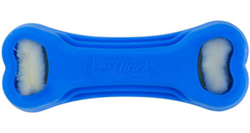
There are even dental toys available to help
clean your dog’s teeth when they play with them. The toys brush against the teeth, helping to loosen plaque.
 Sometimes brushing and chews alone don’t
catch all the plaque on your dog’s teeth.
A dental additive added to the water can help
get the hard to reach plaque off your dog’s teeth, and give your dog minty fresh
breath.
Sometimes brushing and chews alone don’t
catch all the plaque on your dog’s teeth.
A dental additive added to the water can help
get the hard to reach plaque off your dog’s teeth, and give your dog minty fresh
breath.

 A tooth scaler also works wonders at removing
plaque. Make sure your dog is comfortable staying still while you gently scrape
away the plaque on their teeth with the scaler. I wouldn’t recommend using
these on a rambunctious dog or puppy who won’t stay still, as you can cause
serious injury if they move while you are scaling their teeth. Teaching your
dog to accept, and even enjoy, dental health routines will make you both much
happier, and your dog healthier.
A tooth scaler also works wonders at removing
plaque. Make sure your dog is comfortable staying still while you gently scrape
away the plaque on their teeth with the scaler. I wouldn’t recommend using
these on a rambunctious dog or puppy who won’t stay still, as you can cause
serious injury if they move while you are scaling their teeth. Teaching your
dog to accept, and even enjoy, dental health routines will make you both much
happier, and your dog healthier.
 Making a schedule for your dog’s dental
routine can make it easier to remember to take care of your dog’s teeth.
Making a schedule for your dog’s dental
routine can make it easier to remember to take care of your dog’s teeth.
Below is
an example of a dental routine I use with Jesse.
Doggie Dental Hygiene Routine:
☆Brushing your dog’s teeth at least 3 times a
week
☆Giving Daily Dental Chews to help remove
tartar
☆Once a month plaque removal with a scaler
☆Water dental additive to help keep breath
fresh
☆Regular visits to the vet to keep your pup
healthy and happy
It is never too early to start a dental
health regimen. I have been giving Jesse appropriate chewies since he was a
puppy.
I love finding a variety of chews for Jesse,
and make sure to give him a selection to choose from. He gets to choose different flavors of his chews to chew on.
 Jesse’s dental health has been an important
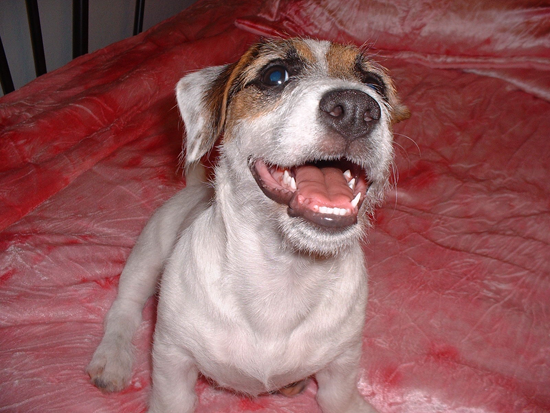
part of our grooming schedule, his whole life. He’s had that pearly white, award-winning
smile since he was a puppy. ♥
Jesse’s dental health has been an important
part of our grooming schedule, his whole life. He’s had that pearly white, award-winning
smile since he was a puppy. ♥
By keeping your dog’s teeth clean and healthy
all year round, you are adding to their quality of life, helping to prevent
various dental diseases, and keeping your dog happy and healthy for years to
come!
Stay Happy and
Healthy!
~Heather and Jesse~